Yes — Egypt is safe for tourists in 2026, particularly on the standard tourism circuit (Cairo, Luxor, Aswan, Nile cruise, Red Sea resorts, Alexandria). The tourism corridor is protected by dedicated Tourism Police, and violent crime against visitors is extremely rare. The realistic risks are hassle (persistent vendors, taxi overcharging) and heat, not danger. Some remote border areas (North Sinai, western oases near the Libyan border) carry government travel restrictions and are outside the standard circuit anyway.
- Standard tourism circuit: safe — Cairo, Luxor, Aswan, Nile, Red Sea, Alexandria
- Tourism Police: visible presence at every major site
- Violent crime against tourists: extremely rare
- Solo female travelers: yes, with the same street-smart precautions used anywhere
- Government restrictions: North Sinai (except Sharm/Dahab), Libyan border areas
- Main real annoyance: persistent vendors at pyramid site — not danger
The honest answer
We’re a licensed Egyptian operator writing to travelers considering Egypt — we’re not going to pretend Egypt has no issues, and we’re not going to inflate them either. The straight answer: Egypt is a safe country to visit on the tourism circuit. Millions of travelers came in 2024 and 2025 without incident. The 2010s security concerns that dominated headlines have not been the reality for years now.
The “tourism corridor” concept
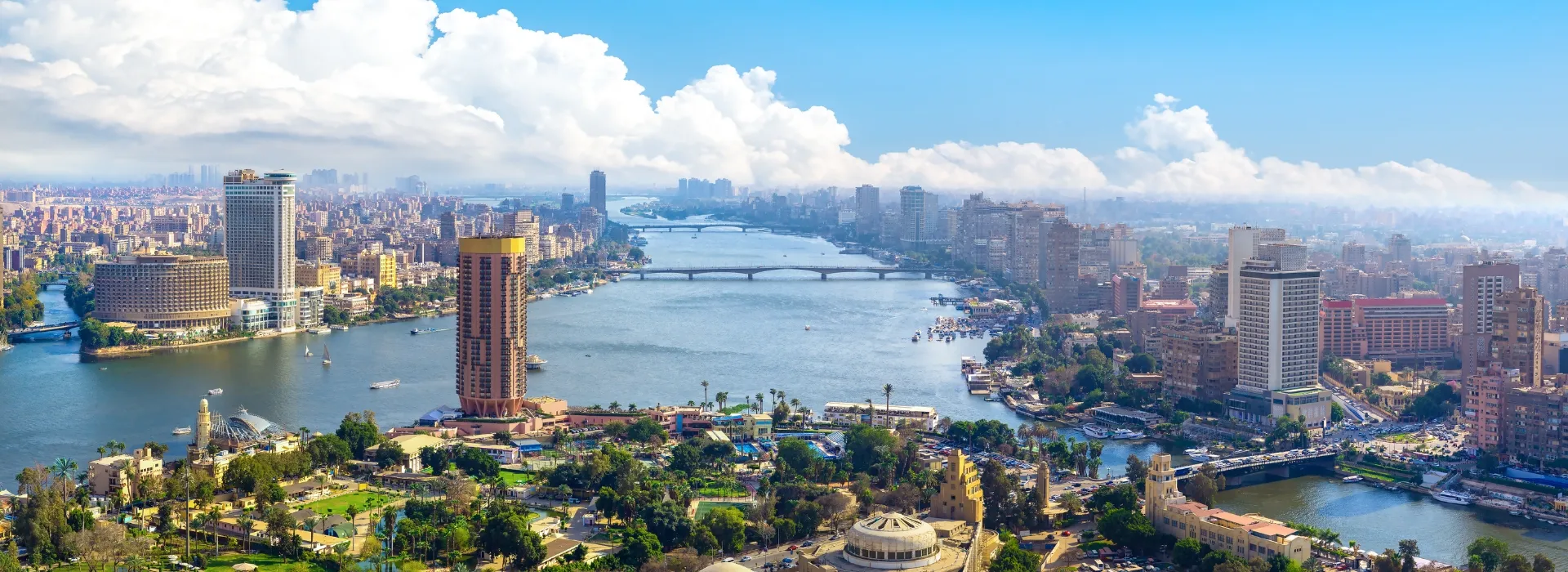
Egypt organizes tourism around a defined corridor: Cairo → Luxor → Aswan → Red Sea coast → Alexandria. Every hotel on that corridor, every tour bus, every Nile cruise ship is registered and monitored. There’s a dedicated Tourism Police force with visible presence at every major site and checkpoints on inter-city roads. Your licensed local guide is registered with the Ministry of Tourism. This infrastructure exists specifically because tourism is a strategic economic sector.
What to actually watch for
Hassle at sites
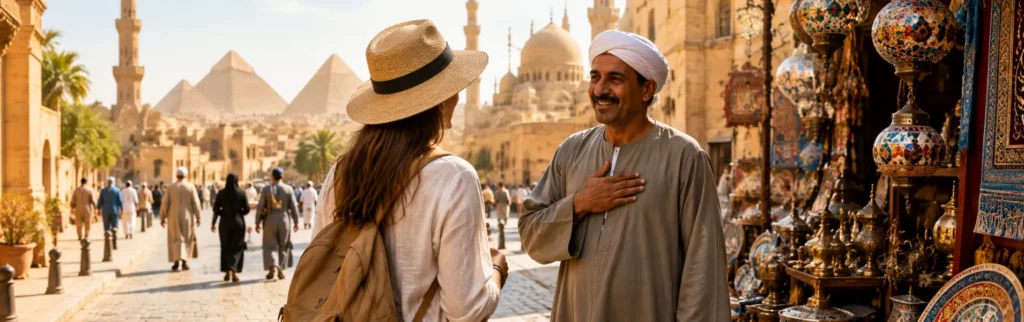
Persistent vendors and offers of “photos” at the pyramids and Karnak can wear you down. A firm “no thank you” and walking on is 95% of the answer. Your guide handles the other 5%.
Taxi and rideshare overcharging
Cairo airport taxis in particular. Use Uber, Careem or a hotel-booked car — never a random taxi at arrivals without agreeing the price in advance. On our tours, every transfer is included and driven by our own drivers, so this doesn’t come up.
Money changing
Only change at banks or your hotel. Street exchangers offering “better rates” are almost always scams.
Solo female travelers
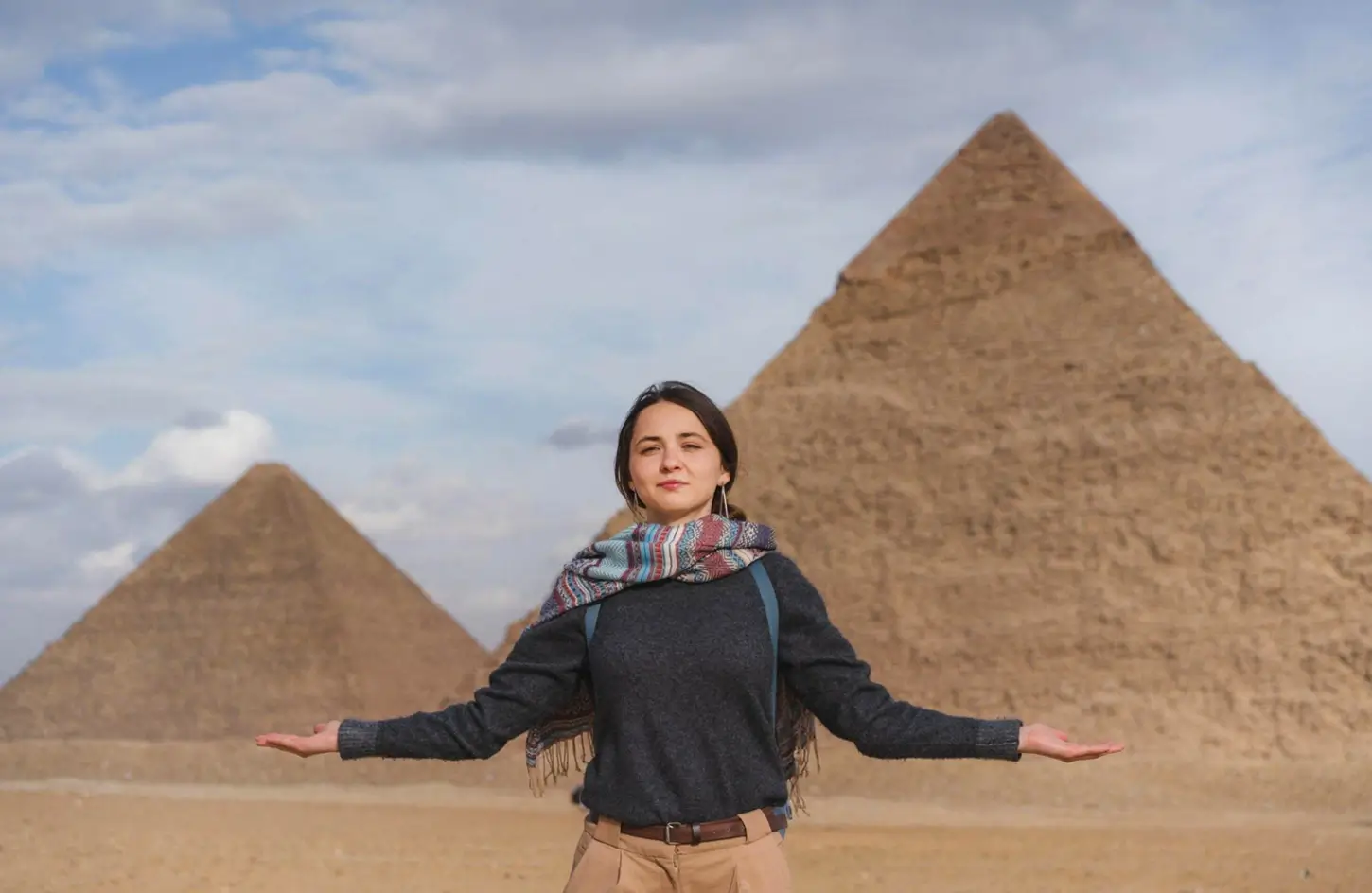
Yes, Egypt is a viable destination for solo female travelers, and it’s a segment we serve regularly. The realistic experience: expect more attention than in Western Europe (staring, comments, offers of help that come with an ask attached), and dress conservatively (shoulders covered, knees covered when outside beach resorts) — that alone reduces attention markedly. Traveling with our own guide and driver essentially eliminates the day-to-day friction. Female travelers who’ve done Morocco or Turkey solo find Egypt very manageable; first-time solo travelers should consider a private guided tour rather than fully independent travel.
Where the government still restricts travel
Some regions carry government travel advisories and are outside the standard tourism corridor. As of 2026:
- North Sinai (except the Sharm El Sheikh / Dahab tourism enclave, which is safe and freely visited)
- Western Desert border areas near the Libyan frontier — accessible with a permit; casual travel is restricted
- Upper Egypt rural stretches off the main road — not restricted, but our tours don’t typically visit these anyway
None of these affect the standard Egypt trip.
Health and food safety
The realistic health risk is stomach upset from tap water, not any tropical disease. Drink bottled water only (all our transfers and cruises include it). Eat at restaurants your hotel or guide recommends. Vaccination requirements for Western travelers are the standard routine set — no unusual jabs required. See our tap water safety guide for the full breakdown.
What Vista does for your safety
Every group we run has: a licensed local guide with you at every site; private air-conditioned transport (no shared vans, no unregistered taxis); pre-vetted 4-star or 5-star hotels; a 24-hour WhatsApp line with our team; and a licensed medical services phone number for the rare emergency. We’re also a fully insured Egyptian tour operator — Reg. No. 2019 (issued 2010) — meaning our operations are inspected and accountable to the Ministry of Tourism.
Frequently asked questions
Has anything changed in Egypt’s security situation recently?
No — the security posture has been stable since the mid-2010s. The 2011 revolution’s tourism impact is far behind us, and the dedicated tourism-police infrastructure has been in place for years.
Is it safe to travel to Egypt right now with regional tensions?
Yes. Egypt’s tourism zones — Cairo, Luxor, Aswan, Red Sea — are geographically far from the regional flashpoints, and Egypt itself remains politically stable. We ourselves are running trips continuously; if we felt a group would be at risk, we’d say so.
Do I need to worry about scams?
The main “scams” are aggressive vendors and taxi overcharging — annoying but not dangerous. On a guided tour these essentially disappear. Independent travelers should read up on the classic ones (papyrus scam, “closed today” tricks at sites) before arriving.
Is it safe for Jewish or LGBTQ+ travelers?
Jewish travelers visit Egypt regularly without issue; discretion about religious observance is wise (as in any Middle Eastern country). LGBTQ+ travelers: same-sex conduct is technically illegal and the country is culturally conservative; visible same-sex affection is not advised in public. Discreet couples travel to Egypt regularly.
What if I get sick on the trip?
Every major tourist city has private hospitals used to treating international visitors, and every cruise ship has a doctor on call. We coordinate directly if anything comes up on one of our trips. Travel insurance that covers medical evacuation is a wise (not required) precaution.
Ready to plan the real thing?
Every itinerary we run is private and every departure is confirmed for your exact dates. Tell us what you have in mind and we’ll come back with a tailored proposal — usually within a few hours (Cairo time).